
By now you’ve probably heard the headlines—gold and silver prices moving fast, big swings in the market, and a lot of uncertainty. Silver surged, then pulled back. Gold climbed to record levels, then dropped again. It’s been a volatile time.
We’ve seen it all before.
At Hudson Valley Numismatics, we’ve worked through every major market cycle over the past 50 years. Markets move, premiums change, and conditions shift—but the fundamentals of evaluating coins, jewelry, and collectibles stay the same. We focus on real trading values, not headlines.
And there’s more to value than just precious metals. We regularly appraise coins, paper currency, antiques, collectibles, and fine art. If you’re wondering what your collection is worth, here’s how to think about it.
Melt Value vs. Collectible Value
One of the biggest misconceptions is the difference between “spot” (melt value) and true market value.
In many cases, the melt value of gold or silver can actually exceed what the item sells for in the real market. Dealers have to factor in refining costs, market risk, and resale margins.
There are exceptions—rare U.S. coins, certain collectibles, and high-grade pieces—but most material trades based on real demand, not theoretical prices you see online.
Jewelry & Watches
Gold prices may be high, but that doesn’t mean jewelry sells at those headline numbers.
- Jewelry is not pure gold—it’s alloyed (10K, 14K, etc.)
- Weight is measured in troy ounces, not standard ounces
- Stones, clasps, and other materials reduce actual gold content
A common mistake is weighing jewelry on a kitchen scale and multiplying by the spot price. That will often give you a number twice what it’s actually worth.
Typical ranges:
- Gold rings: $100–$200
- Necklaces/bracelets: $250–$1,500
- Costume or silver jewelry: often sold in bulk
Fine watches can carry value, but many do not—especially when service costs exceed resale value. High-end brands like Rolex or Patek Philippe are exceptions, but even those fluctuate.
Antiques, Art & Collectibles
Sentimental value doesn’t always translate to market value.
We turn away a lot of furniture and art simply because there’s no demand. Styles change. Markets shift.
- Most 1980s baseball cards are worth little
- Dark wood furniture is out of favor
- Many collectibles were mass-produced
That said, some categories remain strong:
- Mid-century furniture
- Folk art
- Rare or well-documented pieces with provenance
Condition matters—often dramatically.
Coins: What Actually Has Value
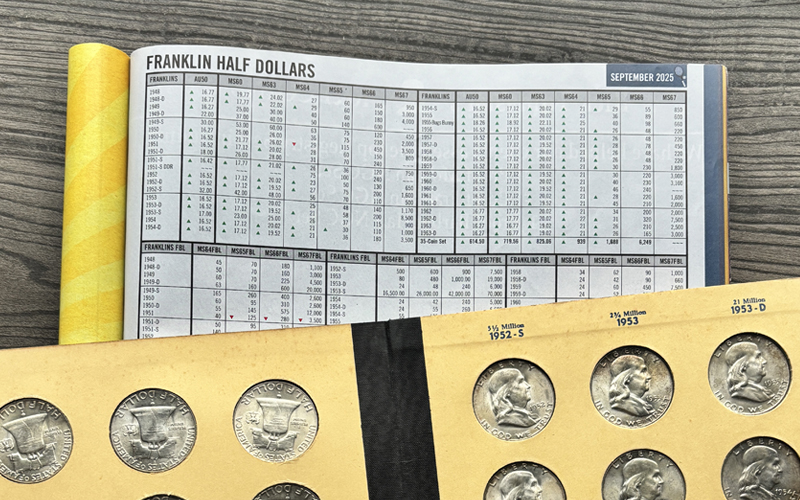
There are more coins out there than most people realize. The majority are common.
- Coins after 1970: usually face value
- Bicentennial coins: widely available, little premium
- Wheat cents: typically a few cents each in bulk
There are key dates and rarities—but we almost never see them in loose collections.
Important factors:
- Date + mint mark combination
- Condition (this is critical)
- Authenticity (counterfeits are common)
If you’re not sure—bring everything in. We check it carefully.
Silver & Gold Coins (Quick Rule)
For pre-1965 U.S. coins (90% silver):
A simple estimate:
Face value × (½ of silver spot price)
Example:
If silver = $80
A dime ≈ $4
A quarter ≈ $10
Gold coins follow similar logic, but again—real offers are based on actual trading markets, not headline prices.
The Reality Check
We hear it every day:
“I looked it up online and saw it selling for thousands.”
Most of those listings are:
- Asking prices (not sales)
- Misleading listings
- Or outright scams
Real value comes from what something actually trades for—not what someone hopes to get.
Final Thought
We want your collection to be valuable. We really do.
But our job is to give you a clear, honest assessment based on real market conditions—not hype.
If you have a collection and want to know what it’s worth, bring it in. We’ll take a careful look and walk you through it.